logo
Products
PRODUCTS DETAILS
Home > Products >
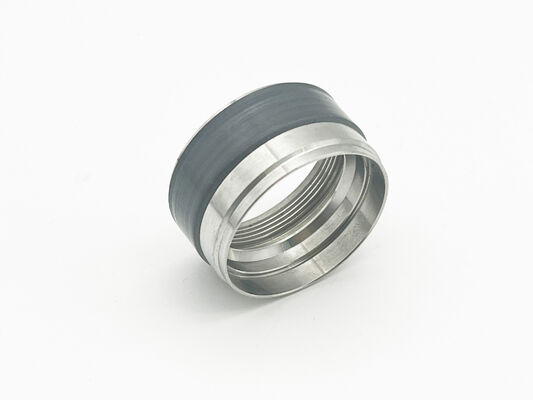
Powder Metallurgy Shock Absorber Piston for Hydraulic Damping Control

Powder Metallurgy Shock Absorber Piston for Hydraulic Damping Control

MOQ: 500pcs
Price: negotiation
Standard Packaging: According to customer’s demand
Delivery Period: 10 working days
Payment Method: T/T
Supply Capacity: 1,000,000pcs per month
Detail Information
Place of Origin
Ningbo, China
Brand Name
XIAYI
Certification
IATF16949:2016
Model Number
Φ30mm
Product Name:
Banded Piston
Material Of Piston:
Fe - C - Cu
Material Of Bands:
PTFE
Color:
Black
Application:
Rear Shock Absorbers
Density Of Bands:
2.15 G/cm3
Outer Diameter:
44.88-44.94mm
Working Temp.:
260 ℃
Product Description
1. Product Overview

A shock absorber piston is a key moving component inside a hydraulic damper. It is typically attached to the piston rod and moves reciprocally within the working cylinder. The piston’s holes, flow passages, and related interfaces define hydraulic fluid paths and form an important part of the damper’s compression and rebound control design.

For automotive and motorcycle shock absorber manufacturers, piston development involves more than basic dimensions such as outer diameter, thickness, and mounting bore. Hole layout, passage geometry, valve-shim interfaces, and assembly relationships with other valve components must also be considered.

XIAYI supplies powder metallurgy shock absorber pistons that can be evaluated against customer drawings, samples, and application requirements. Depending on the damper design, product specifications can cover external geometry, hole and groove configuration, mounting features, and critical dimensions. Dimensional inspection and appearance inspection can be planned according to project requirements.

These pistons are intended for automotive and motorcycle hydraulic dampers and can be evaluated for new product development, OEM supply, and ongoing production programs.

2. Product Design Features
Hydraulic Flow Passage and Hole Geometry

The number, diameter, and distribution of piston holes, together with the flow passage geometry, must be matched to the intended damper valve design. XIAYI can review these geometric requirements based on customer drawings and assess the corresponding manufacturing approach.

Actual damping behavior also depends on the valve-shim stack, hydraulic fluid properties, piston-to-cylinder fit, and the design of the complete damper. It cannot be determined from piston geometry alone.

Powder Metallurgy Manufacturing

Powder metallurgy is suitable for producing metal components with defined external profiles and complex geometric features. Pressing, sintering, and any necessary secondary operations can be used to develop the basic form and functional features required for shock absorber pistons.

Material grade, density, critical dimensions, and post-processing requirements should be confirmed against the drawing, performance targets, and manufacturing process.

Critical Dimensions and Component Fit

Piston outer diameter, thickness, mounting bore, and passage locations may affect fit with the piston rod, valve shims, and related parts. For applications with close tolerance requirements, critical dimensions, tolerance limits, and inspection references should be defined during product development rather than judged by nominal dimensions alone.

Automated Appearance Inspection

XIAYI has independently developed fully automatic vision inspection equipment for piece-by-piece appearance inspection of powder metallurgy parts. For compatible piston designs, an inspection plan can be evaluated according to component geometry and defect criteria. The system can screen for detectable surface abnormalities and support outgoing quality control.

The actual detectable defect types, inspection capability, and automatic rejection configuration must be confirmed against the equipment setup and validation results.

3. Technical Specifications

Parameter

Specification or Reference

Technical Notes

Product

Shock Absorber Piston

Powder metallurgy piston

Manufacturing process

Powder compaction and sintering

Secondary operations depend on the design

Material system

Iron-based powder metallurgy; Fe-C-Cu may be considered

Final grade and composition require customer confirmation

Reference density range

6.3–6.7 g/cm³

Industry reference for iron-based Fe-Cu-C shock absorber parts; not a guaranteed value for every model

Outer diameter and thickness

Defined by the product drawing

No universal standard size range specified here

Mounting bore

Defined by customer drawing

Confirm diameter, location, and mating requirements

Hydraulic passages

Hole count, diameter, location, and grooves defined by drawing

Geometry may influence fluid flow characteristics

Critical dimensional tolerances

Established by the approved drawing and project requirements

Confirm after manufacturability review

Hardness

Defined by material grade and product requirements

Depends on material and processing conditions

Surface and post-treatment

Evaluated according to product requirements

Final process subject to technical and order confirmation

Inspection items

Critical dimensions, hole locations, appearance, and specified features

Methods, frequency, and acceptance criteria are project-specific

Appearance inspection

100% automated vision inspection can be evaluated

Depends on part geometry and the validated inspection setup

Applications

Automotive and motorcycle shock absorbers

Suitability must be confirmed for the intended damper design

4. Manufacturing and Quality Control

The manufacturing and inspection plan can be adjusted to the piston design. A typical process may include:

  1. Material and drawing review: Confirm the required material, drawing revision, and critical specifications.
  2. Powder compaction: Establish the pressing process according to the part geometry and forming requirements.
  3. Sintering: Process the compact according to the selected material and applicable process specification.
  4. Secondary operations: Finish mounting bores, grooves, or other specified features when required.
  5. Dimensional inspection: Check outer diameter, thickness, hole locations, and other drawing-defined critical dimensions.
  6. Appearance inspection: Apply the agreed visual inspection criteria and evaluate automated vision inspection where suitable.
  7. Final acceptance and packaging: Complete batch release according to the agreed acceptance requirements.

This is a typical process framework that can be adjusted for each project. The actual route depends on the piston design and production plan.

5. Applications and Sourcing Scenarios

Application

Key Technical Considerations

Automotive hydraulic dampers

Piston geometry, oil-hole layout, valve-shim interface, and dimensional tolerances

Motorcycle front forks

Mounting features, passage geometry, and mating requirements

Motorcycle rear shock absorbers

Hole layout, valve-shim compatibility, and operating conditions

New OEM product development

Drawing review, material confirmation, and sample validation

Volume production programs

Critical dimension inspection, appearance screening, and batch acceptance

Replacement components

Verification of existing dimensions, geometry, and assembly interfaces

6. Information Required for Quotation

To evaluate manufacturing feasibility and prepare an accurate quotation, please provide:

  • 2D drawing or 3D model.
  • Material grade and any specified density or hardness requirements.
  • Piston outer diameter, thickness, mounting bore, and critical tolerances.
  • Oil-hole, flow-passage, and groove requirements.
  • Required surface treatment or other post-processing.
  • Sample requirements, estimated annual demand, and purchasing schedule.
  • Appearance defect criteria and dimensional inspection requirements.

For an existing part, a drawing or physical sample can be used for initial evaluation. For a new development project, critical dimensions, assembly compatibility, and inspection requirements should be confirmed before volume production.

7. Frequently Asked Questions
Q1: What is the density of a powder metallurgy shock absorber piston?
Density depends on the material system, component design, and manufacturing process. Industry technical literature gives a typical reference range of 6.3–6.7 g/cm³ for iron-based Fe-Cu-C shock absorber components. This is not a universal specification; the requirement should be confirmed for the selected model.
Q2: Can the piston hole layout and oil passages be customized?
Hole locations, diameters, grooves, and related geometry can be evaluated against customer drawings. Projects involving damping performance development should also consider the valve-shim stack, hydraulic fluid, and complete damper configuration.
Q3: Is 100% visual inspection available?
XIAYI has independently developed fully automatic vision inspection equipment that can be evaluated for piece-by-piece appearance inspection of compatible powder metallurgy pistons. Actual inspection coverage depends on the component geometry, detectable defect types, and validated equipment setup.
Q4: What information is needed for a new piston development project?
Please provide the drawing, material requirements, critical dimensions and tolerances, hole layout, estimated order quantity, and inspection criteria. These details support manufacturability review and quotation.
Products
PRODUCTS DETAILS
Powder Metallurgy Shock Absorber Piston for Hydraulic Damping Control
MOQ: 500pcs
Price: negotiation
Standard Packaging: According to customer’s demand
Delivery Period: 10 working days
Payment Method: T/T
Supply Capacity: 1,000,000pcs per month
Detail Information
Place of Origin
Ningbo, China
Brand Name
XIAYI
Certification
IATF16949:2016
Model Number
Φ30mm
Product Name:
Banded Piston
Material Of Piston:
Fe - C - Cu
Material Of Bands:
PTFE
Color:
Black
Application:
Rear Shock Absorbers
Density Of Bands:
2.15 G/cm3
Outer Diameter:
44.88-44.94mm
Working Temp.:
260 ℃
Minimum Order Quantity:
500pcs
Price:
negotiation
Packaging Details:
According to customer’s demand
Delivery Time:
10 working days
Payment Terms:
T/T
Supply Ability:
1,000,000pcs per month
Product Description
1. Product Overview

A shock absorber piston is a key moving component inside a hydraulic damper. It is typically attached to the piston rod and moves reciprocally within the working cylinder. The piston’s holes, flow passages, and related interfaces define hydraulic fluid paths and form an important part of the damper’s compression and rebound control design.

For automotive and motorcycle shock absorber manufacturers, piston development involves more than basic dimensions such as outer diameter, thickness, and mounting bore. Hole layout, passage geometry, valve-shim interfaces, and assembly relationships with other valve components must also be considered.

XIAYI supplies powder metallurgy shock absorber pistons that can be evaluated against customer drawings, samples, and application requirements. Depending on the damper design, product specifications can cover external geometry, hole and groove configuration, mounting features, and critical dimensions. Dimensional inspection and appearance inspection can be planned according to project requirements.

These pistons are intended for automotive and motorcycle hydraulic dampers and can be evaluated for new product development, OEM supply, and ongoing production programs.

2. Product Design Features
Hydraulic Flow Passage and Hole Geometry

The number, diameter, and distribution of piston holes, together with the flow passage geometry, must be matched to the intended damper valve design. XIAYI can review these geometric requirements based on customer drawings and assess the corresponding manufacturing approach.

Actual damping behavior also depends on the valve-shim stack, hydraulic fluid properties, piston-to-cylinder fit, and the design of the complete damper. It cannot be determined from piston geometry alone.

Powder Metallurgy Manufacturing

Powder metallurgy is suitable for producing metal components with defined external profiles and complex geometric features. Pressing, sintering, and any necessary secondary operations can be used to develop the basic form and functional features required for shock absorber pistons.

Material grade, density, critical dimensions, and post-processing requirements should be confirmed against the drawing, performance targets, and manufacturing process.

Critical Dimensions and Component Fit

Piston outer diameter, thickness, mounting bore, and passage locations may affect fit with the piston rod, valve shims, and related parts. For applications with close tolerance requirements, critical dimensions, tolerance limits, and inspection references should be defined during product development rather than judged by nominal dimensions alone.

Automated Appearance Inspection

XIAYI has independently developed fully automatic vision inspection equipment for piece-by-piece appearance inspection of powder metallurgy parts. For compatible piston designs, an inspection plan can be evaluated according to component geometry and defect criteria. The system can screen for detectable surface abnormalities and support outgoing quality control.

The actual detectable defect types, inspection capability, and automatic rejection configuration must be confirmed against the equipment setup and validation results.

3. Technical Specifications

Parameter

Specification or Reference

Technical Notes

Product

Shock Absorber Piston

Powder metallurgy piston

Manufacturing process

Powder compaction and sintering

Secondary operations depend on the design

Material system

Iron-based powder metallurgy; Fe-C-Cu may be considered

Final grade and composition require customer confirmation

Reference density range

6.3–6.7 g/cm³

Industry reference for iron-based Fe-Cu-C shock absorber parts; not a guaranteed value for every model

Outer diameter and thickness

Defined by the product drawing

No universal standard size range specified here

Mounting bore

Defined by customer drawing

Confirm diameter, location, and mating requirements

Hydraulic passages

Hole count, diameter, location, and grooves defined by drawing

Geometry may influence fluid flow characteristics

Critical dimensional tolerances

Established by the approved drawing and project requirements

Confirm after manufacturability review

Hardness

Defined by material grade and product requirements

Depends on material and processing conditions

Surface and post-treatment

Evaluated according to product requirements

Final process subject to technical and order confirmation

Inspection items

Critical dimensions, hole locations, appearance, and specified features

Methods, frequency, and acceptance criteria are project-specific

Appearance inspection

100% automated vision inspection can be evaluated

Depends on part geometry and the validated inspection setup

Applications

Automotive and motorcycle shock absorbers

Suitability must be confirmed for the intended damper design

4. Manufacturing and Quality Control

The manufacturing and inspection plan can be adjusted to the piston design. A typical process may include:

  1. Material and drawing review: Confirm the required material, drawing revision, and critical specifications.
  2. Powder compaction: Establish the pressing process according to the part geometry and forming requirements.
  3. Sintering: Process the compact according to the selected material and applicable process specification.
  4. Secondary operations: Finish mounting bores, grooves, or other specified features when required.
  5. Dimensional inspection: Check outer diameter, thickness, hole locations, and other drawing-defined critical dimensions.
  6. Appearance inspection: Apply the agreed visual inspection criteria and evaluate automated vision inspection where suitable.
  7. Final acceptance and packaging: Complete batch release according to the agreed acceptance requirements.

This is a typical process framework that can be adjusted for each project. The actual route depends on the piston design and production plan.

5. Applications and Sourcing Scenarios

Application

Key Technical Considerations

Automotive hydraulic dampers

Piston geometry, oil-hole layout, valve-shim interface, and dimensional tolerances

Motorcycle front forks

Mounting features, passage geometry, and mating requirements

Motorcycle rear shock absorbers

Hole layout, valve-shim compatibility, and operating conditions

New OEM product development

Drawing review, material confirmation, and sample validation

Volume production programs

Critical dimension inspection, appearance screening, and batch acceptance

Replacement components

Verification of existing dimensions, geometry, and assembly interfaces

6. Information Required for Quotation

To evaluate manufacturing feasibility and prepare an accurate quotation, please provide:

  • 2D drawing or 3D model.
  • Material grade and any specified density or hardness requirements.
  • Piston outer diameter, thickness, mounting bore, and critical tolerances.
  • Oil-hole, flow-passage, and groove requirements.
  • Required surface treatment or other post-processing.
  • Sample requirements, estimated annual demand, and purchasing schedule.
  • Appearance defect criteria and dimensional inspection requirements.

For an existing part, a drawing or physical sample can be used for initial evaluation. For a new development project, critical dimensions, assembly compatibility, and inspection requirements should be confirmed before volume production.

7. Frequently Asked Questions
Q1: What is the density of a powder metallurgy shock absorber piston?
Density depends on the material system, component design, and manufacturing process. Industry technical literature gives a typical reference range of 6.3–6.7 g/cm³ for iron-based Fe-Cu-C shock absorber components. This is not a universal specification; the requirement should be confirmed for the selected model.
Q2: Can the piston hole layout and oil passages be customized?
Hole locations, diameters, grooves, and related geometry can be evaluated against customer drawings. Projects involving damping performance development should also consider the valve-shim stack, hydraulic fluid, and complete damper configuration.
Q3: Is 100% visual inspection available?
XIAYI has independently developed fully automatic vision inspection equipment that can be evaluated for piece-by-piece appearance inspection of compatible powder metallurgy pistons. Actual inspection coverage depends on the component geometry, detectable defect types, and validated equipment setup.
Q4: What information is needed for a new piston development project?
Please provide the drawing, material requirements, critical dimensions and tolerances, hole layout, estimated order quantity, and inspection criteria. These details support manufacturability review and quotation.
宁波夏亿机电科技有限公司